Research
Our research focuses on developing wearable and AI-powered digital health solutions in neurorehabilitation (gait) and remote patient monitoring for Parkinson’s disease.
As collaborators, we also have collaborative and exploratory research working with individuals with Lumbar Spinal Stenosis and stroke survivors.
Research Themes
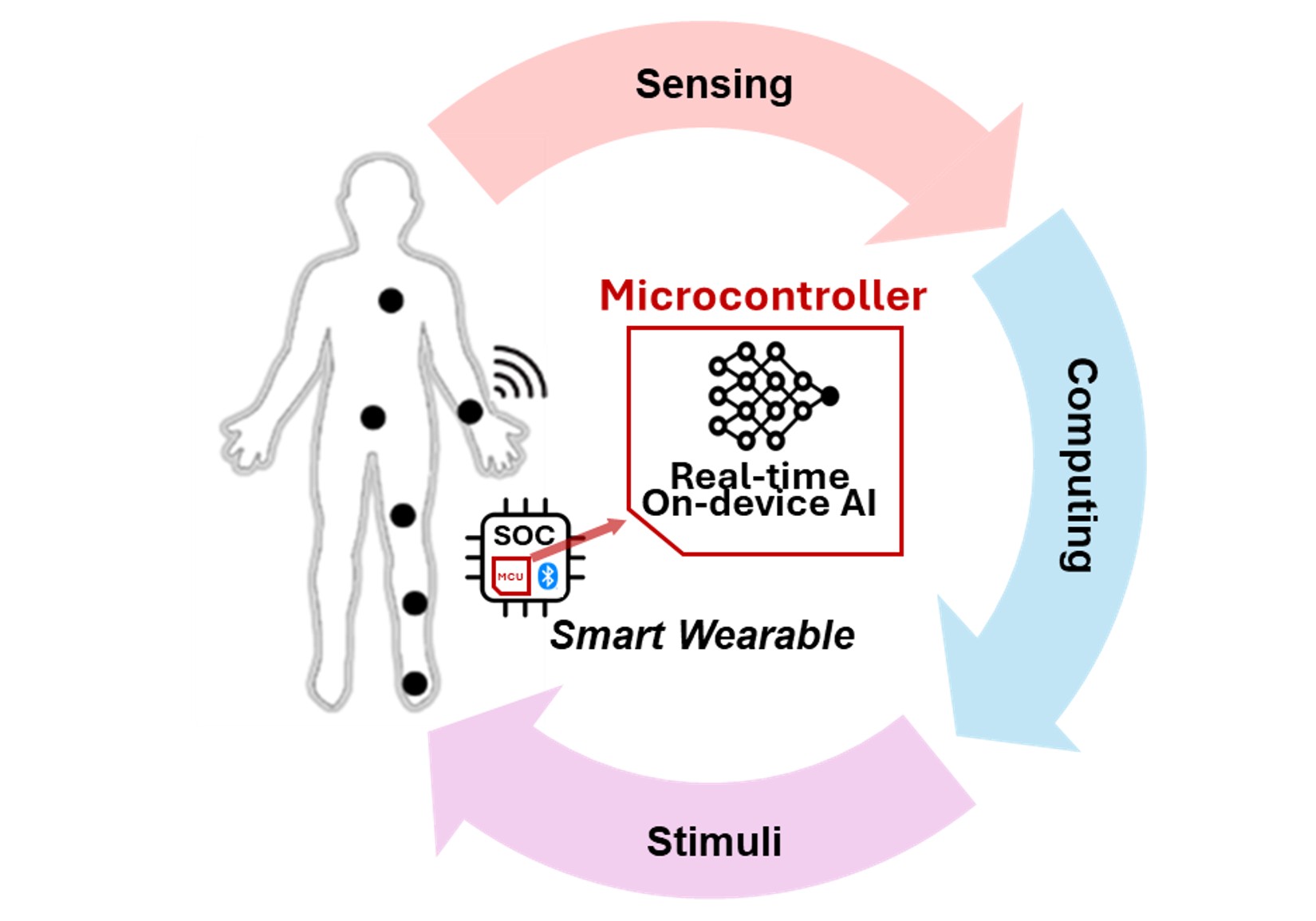
Smart Wearable Electronics
Individuals with neurological disorders may often exhibit gait deficits, such as impairment. Assessing gait with objective measurements is critical to discovering subtle deficits and creating new interventions to improve clinical/functional outcomes, promote natural gait, as well as reduce any overuse injuries, pain, and fall risk. Our group works on designing smart wearable devices equipped with customized, real-time on-device machine learning to measure gait deficits and provide real-time feedback in different forms, enabling human-in-the-loop interaction to support continuous adaptation and improvement.
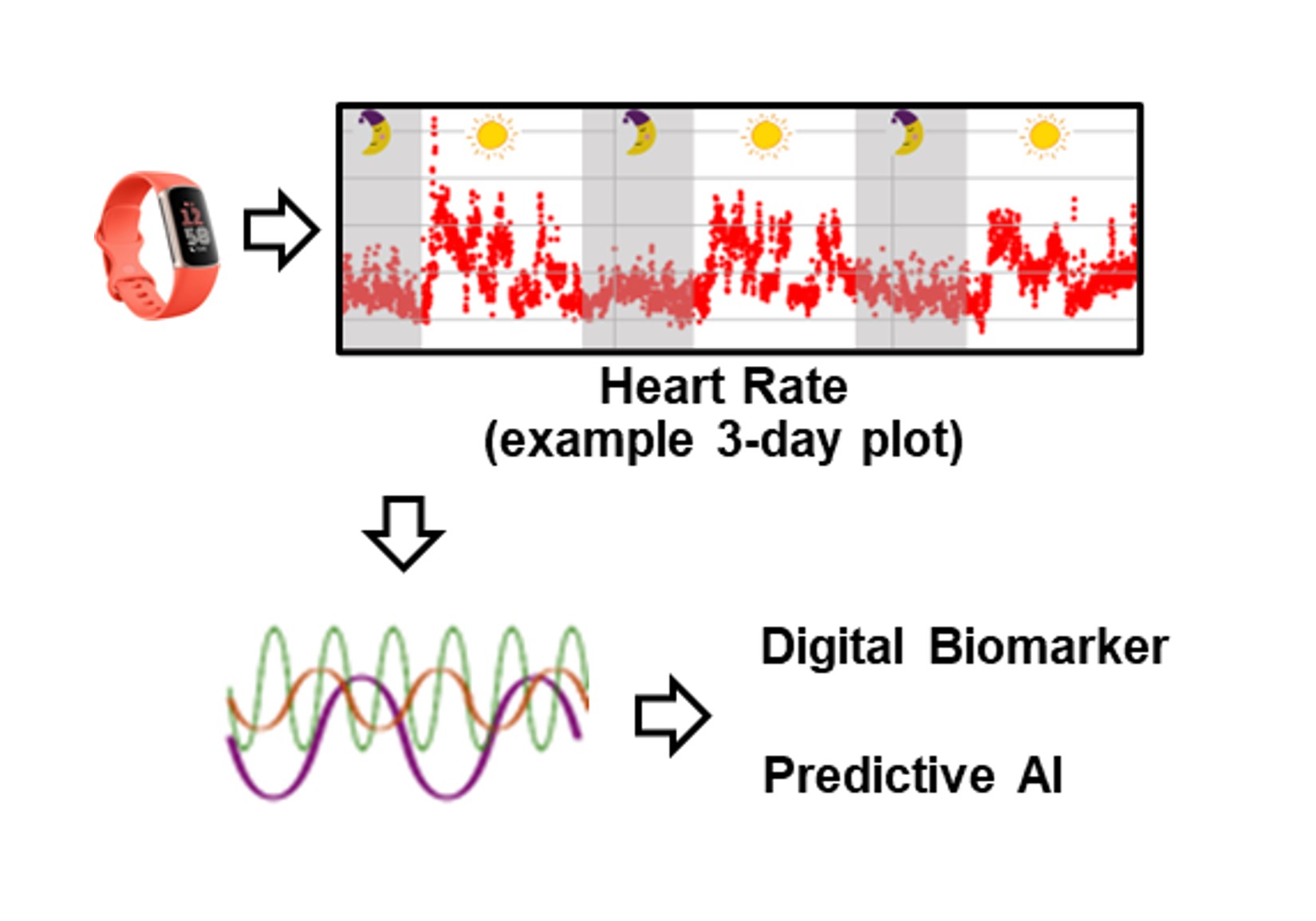
Novel Wearable-derived Biomarkers and Predictive AI
Remote patient monitoring offers clinicians the full picture of their patients in the community. Consumer-grade wearables (e.g., Fitbit, Apple Watch) offer great potential for remote health monitoring by measuring multi-modal data like heart rate, activity, and sleep. Our group models longitudinal wearable data to develop novel digital biomarkers and predictive AI, aiming to support clinical decision-making as well as engaging patients by providing them feedback, ultimately enhancing community-based remote health monitoring.
Research Sponsorship
Sponsors
Our current research projects are sponsored by Center for Community-Driven Assistive Technologies (CDAT) at Lehigh University and Good Shepherd Rehabilitation Network.